A roofing estimate is a parts list with a price at the bottom. Below is each line in roughly the order it shows up on a written price, what it means, and what it costs you later if it's missing.
Our opinion, up front: a price that says "replace roof" and a number, with nothing in between, can't be compared to anything. Ask for the lines.
Squares, pitch and waste
Roofers measure in squares. A square is 100 square feet of roof area, and most shingles are packaged so three bundles cover one square, though some brands need more (IKO on bundles and squares).
Pitch is how steep the roof is, written as rise over run. Steeper roofs take more time and more safety gear, so the price per square goes up.
Waste is the extra material ordered for the cuts at hips and valleys. A cut-up roof with lots of angles carries more waste than a plain gable. If two estimates list very different square counts for the same house, ask each roofer how they measured.
Tear-off and layers
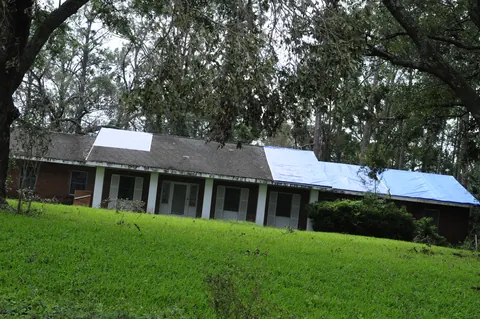
Tear-off means stripping the old shingles and underlayment down to the wood. The estimate should say how many layers are coming off, because a second layer means more labor and more weight in the dumpster.
Some prices quote an overlay instead, with new shingles nailed over the old ones. It costs less up front. It also hides the deck, so nobody sees the soft wood until the next roof comes off.
Decking
Decking, also called sheathing, is the plywood or OSB the whole roof is nailed to. Nobody knows how much of it is bad until the old roof is off, so estimates usually price it per sheet.
Make sure that per-sheet price is written down. Without it, a few bad sheets turn into a number somebody comes up with on the day. Skip bad decking and you pay later in nails that don't hold and shingles that ripple over soft spots.
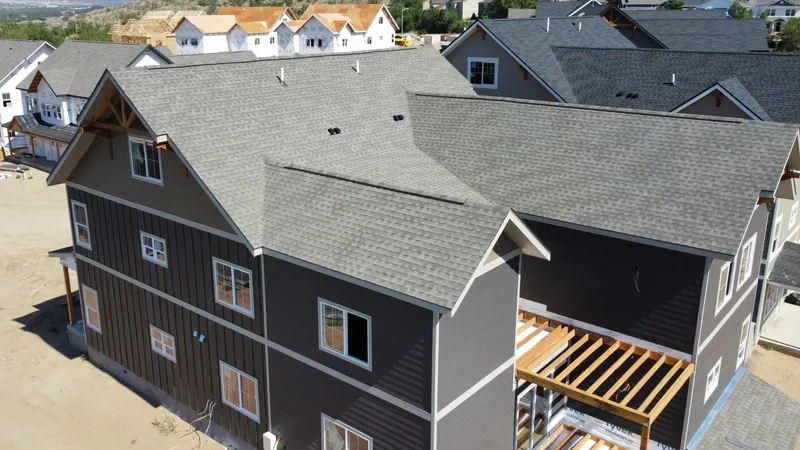
Underlayment
Underlayment is the sheet laid over the deck before the shingles go on. It's either asphalt felt or a synthetic sheet, and shingle makers sell synthetic underlayment as part of their roof systems (IKO's guide to roof parts). It's the backup layer. When wind lifts a shingle, it keeps water off the wood until the repair. The estimate should name which kind you're getting.
Ice and water barrier
This is a self-sticking membrane that seals around the nails driven through it. It goes where water slows down or backs up, like valleys, around chimneys and skylights, along the eaves and on low-slope sections.
East Tennessee doesn't get much snow. McGhee Tyson Airport's normal is 4.6 inches a year (NOAA normals). So here you're buying it more for valleys and the spots around chimneys and pipes than for ice dams. If the estimate leaves it out of the valleys, ask why.
Drip edge
Drip edge is the bent metal strip along the eaves and the sloped rake edges. It lets water drip clear of the fascia board instead of curling back under the shingles and into the wood. It doesn't cost much, and leaving it out shows up years later as rotted fascia and stained soffits.
Starter strip
The first course at the eave and the rake is a starter strip, which IKO calls starter shingles. It puts adhesive and coverage right at the edge, where wind gets under a roof. Cutting up regular shingles to use as starter is a shortcut you won't see from the ground.
Flashing
Flashing is the metal that turns a corner wherever the roof meets something else. The estimate may list several kinds.
- Step flashing, small bent pieces woven in with each course where a roof slope runs into a wall.
- Chimney flashing, bent at about 90 degrees so one side sits against the chimney and the other lies on the roof, per IKO, with counter flashing over it.
- Valley flashing, a long metal channel where two slopes meet. IKO says valleys covered with shingles are usually less effective than open valleys with metal flashing.
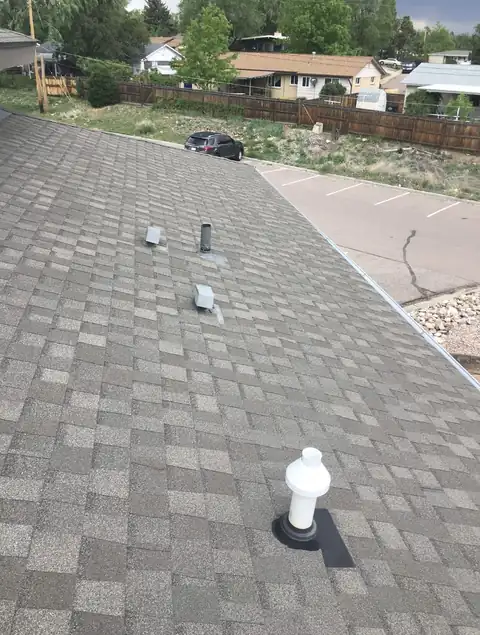
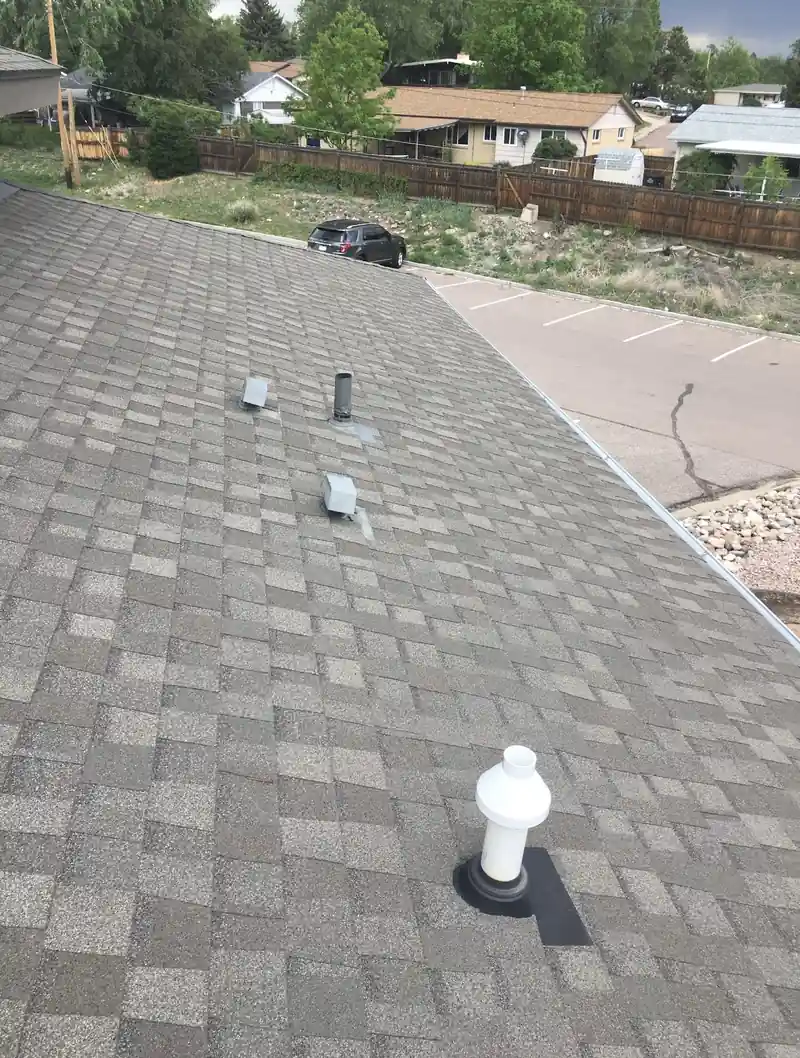
- Pipe boots, the collars around plumbing vents. Rubber ones crack in the sun over time.
The line to watch is "reuse existing flashing." Sometimes old flashing is fine. Often it's bent, or buried under layers of caulk. Replacing it while the roof is open costs little next to chasing a leak later.
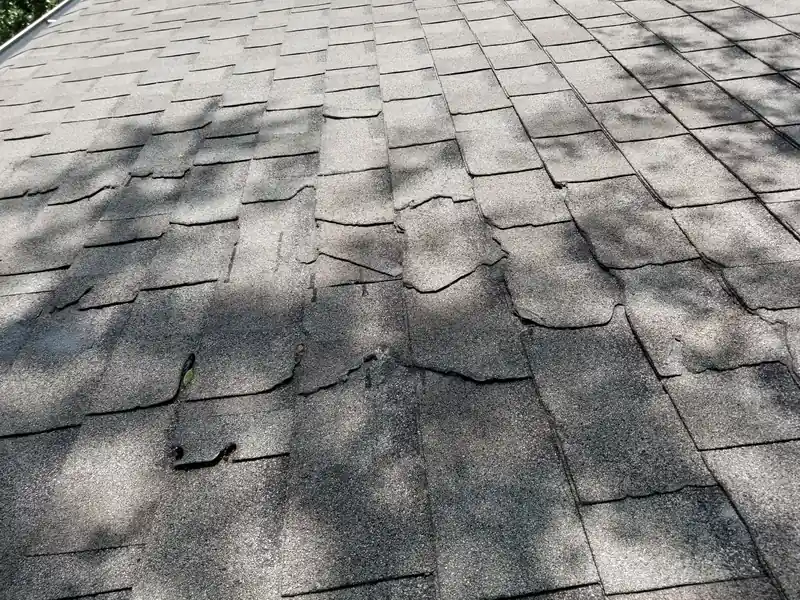
Ventilation
Look for ridge vent and soffit vents, or whatever the roof uses instead. IKO puts it simply: soffit vents and ridge vents together let air move through the attic. The estimate should say whether the current vents stay, get replaced or get added to. A hot, damp attic is hard on shingles and on your summer power bill.
Hip and ridge caps
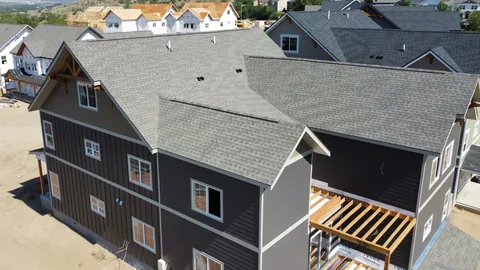
The shingles that fold over the peak and the hips are often a separate product made for that spot. An estimate that says "cut 3-tab for ridge" is cheaper, and thinner at a place that catches a lot of wind.
Disposal, permit and cleanup
The dumpster and the landfill fees are a real cost and belong on their own line. So does a magnet sweep of the yard and driveway for nails. Ask whether a permit is included and who pulls it, since the rules vary by town.
Warranty lines
You'll usually see two. The shingle maker's warranty covers the material. The roofer's workmanship warranty covers how it was put on, and that's the one you lean on if a flashing detail fails a few years in. Get both in writing, with how long each one lasts.
Lining up two estimates
Put two prices side by side and go line by line: the same square count, the same layers, the same underlayment, the same flashing plan and the same per-sheet decking price. The gap in the bottom line usually hides in one of those.
Most asphalt shingle replacements on Knoxville-area homes run $15,000 to $30,000. Here's what moves a roof price around Knoxville, and for the layers in order, read what's under your shingles. Our roof replacement page walks through the job itself, and the shingle lines we use are on the products page.
Questions
Is a higher square count a red flag?
Not by itself. Ask how each roofer measured and how much waste they added. Then compare.
What does "per sheet" mean on an estimate?
It's the price to replace one sheet of rotted decking found during tear-off. Having it in writing puts a ceiling on the surprise.