
It's pouring outside, and a brown ring is spreading across the ceiling over the couch. Here's what to do, in this order.
1. Catch the water
Get the biggest bucket or stockpot you've got under the drip. Drop a rag in the bottom so the drops don't splash all over the floor. Put towels or a plastic sheet around it, because the drip tends to wander as the stain spreads.
If water is coming through a light fixture or running near an outlet, turn that circuit off at the breaker panel before you get close. The National Weather Service office in Morristown says that if you see frayed wiring or sparks, or smell something burning, you should shut off the electrical system at the main breaker (NWS Morristown severe weather guide).
2. Drain a bulging ceiling
A ceiling that sags in a bubble is holding water on top of the drywall. Left alone, it can come down all at once, wet insulation and all.
Put the bucket under the lowest point of the bulge. Stand off to the side and poke a small hole there with a screwdriver. The water drains into the bucket instead of bringing the ceiling down with it. It feels wrong to punch a hole in your own ceiling, but a screwdriver hole is a small patch later.
3. Move what you can't replace
Electronics, family pictures, paperwork and rugs go first, out of the room or at least out of the splash zone. Then the furniture. If the carpet is soaked, pull it back from the wall so the pad can start drying.
4. Take photos before you clean up
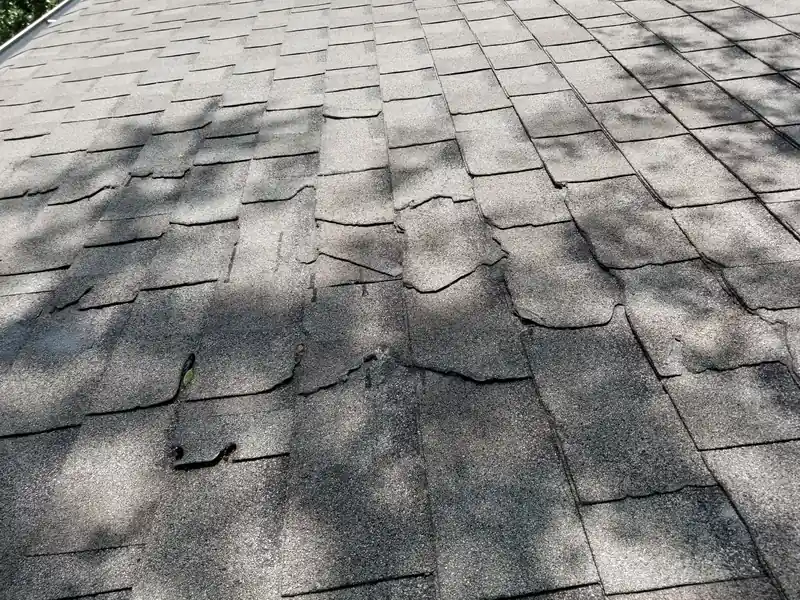
Before you mop, photograph the ceiling, the bucket, the wet floor and anything that got ruined. Take a wide shot of the room and close ones of the damage. If you can see damage outside from the ground, like shingles in the yard or a limb on the roof, get that too.
Tennessee's Department of Commerce and Insurance gives people with storm damage the same advice. Document it with photographs or video, file your claim as soon as possible, and save the receipts, including those for temporary repairs (TDCI storm recovery tips). The department also says not to have permanent repairs made until your insurance company has inspected and you've agreed on the cost.
Not every leak is an insurance matter. A pipe boot that cracked from age is upkeep. Shingles the wind peeled off last night may be a different story. Your policy and your adjuster decide which is which, and photos help either way.
5. Call for help, and stay off the roof
Call a roofer who picks up at night. Our 24-hour line is (865) 830-8126, and the emergency repair page explains what happens on a call like this. Usually it's a tarp or a temporary patch once it's safe to go up, then a proper repair after the roof dries.
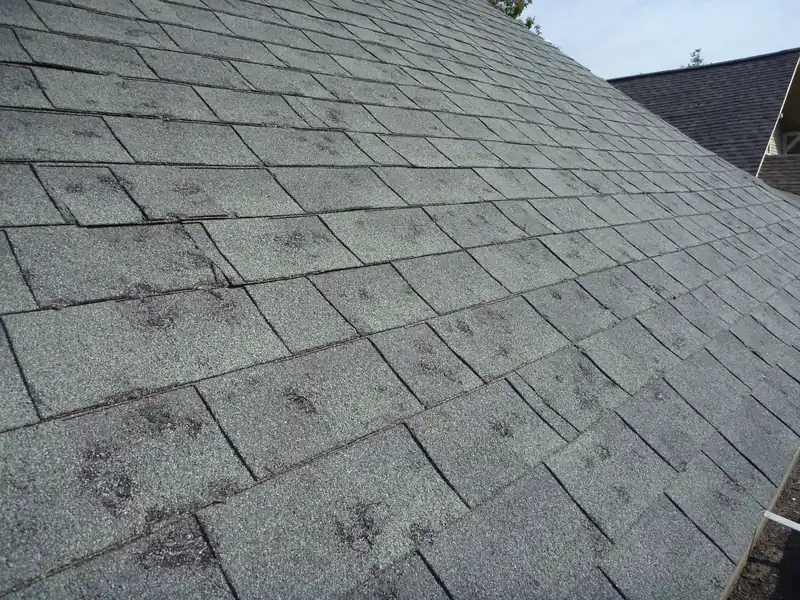
Here's our opinion, and it's what we'd tell family: don't climb up there yourself. Not in the rain, and not the next morning while the shingles are still wet. Wet shingles are slick, it's hard to find the damage in the dark, and a tarp grabs the wind like a sail when you're standing on a ladder.
After the water stops
The drip on your ceiling is rarely right under the hole in the roof. Water gets through, runs along a rafter or the top of the drywall, and drops wherever it finds a low spot. So the stain tells you which room, not which shingle.
Leaks tend to start in the same few places: pipe boots, flashing around chimneys and walls, valleys, skylights and shingles the wind has lifted. Here's where roofs leak and how each spot fails.
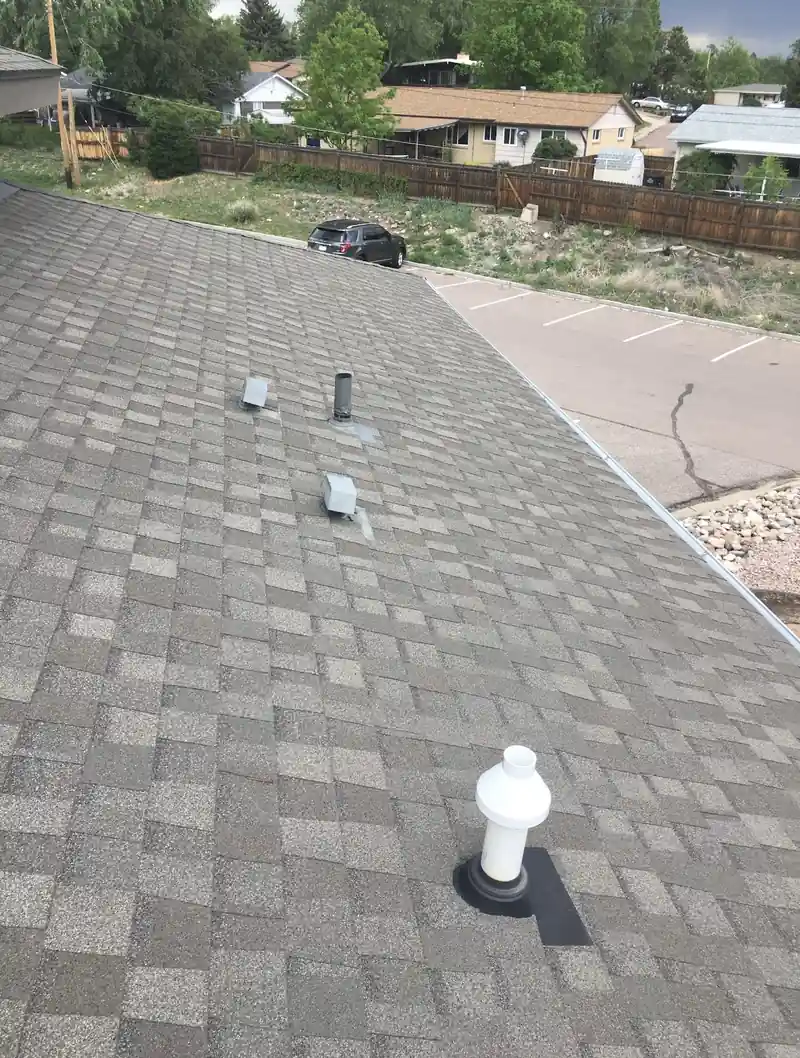
If you want the source found before the next rain, book a free roof inspection. Going in with your photos and the room where it dripped saves time on the roof.
Questions
Should I go up into the attic?
If you can do it safely, yes. Step only on the joists and bring a flashlight. Look for wet wood or a drip line on the underside of the roof deck. That tells a roofer where to start looking.
Can I put a tarp on myself?
We'd rather you didn't. If you do, wait until the rain and wind have stopped, and don't work on a wet roof or alone.