Under the shingles on a typical asphalt roof sit several layers you never see: the wood deck, a sheet of underlayment, a sticky membrane in the spots that leak first, metal drip edge along the edges, a starter row of shingles, flashing where the roof meets walls and chimneys, and the vents that let the attic breathe. The shingles get the attention. Those layers underneath decide how the roof holds up.
So if you've wondered what goes under shingles, here it is in the order it goes on, from the rafters out.
The deck
The deck is the wood the whole roof is nailed to, usually sheets of plywood or OSB laid across the rafters or trusses. Stand in your attic and look up, and you're looking at the underside of it.
Decking is the one part of a replacement nobody can price for certain until the old shingles come off. Water that slipped past a bad flashing for a few years rots the wood under it, and from the top the shingles can look fine. That's why a written price should list decking as its own line, with a price per sheet for anything rotten that has to be replaced. The post on the words on a roofing estimate covers how that line usually reads.
When a roof feels spongy underfoot, it's usually the deck talking, not the shingles.
Underlayment: felt or synthetic
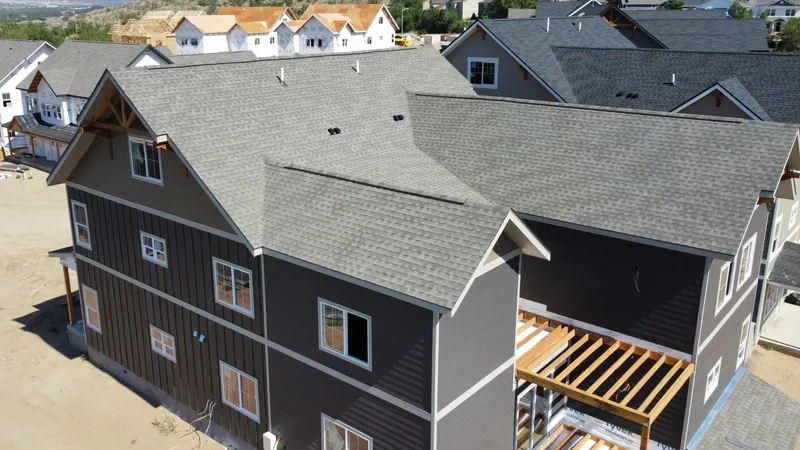
Underlayment is the sheet that goes on the deck before anything else. IBHS's Roof 101 puts the order plainly: the underlayment is fastened to the roof deck first, and then the asphalt shingles go on top. It's the backup layer. When wind lifts a shingle or a nail backs out, the underlayment is what keeps the water off the wood.
You'll see one of two kinds on a quote. Felt is the old standby, a heavy paper soaked in asphalt. Synthetic underlayment is a woven plastic sheet.
Our opinion is that synthetic is worth paying for on nearly any replacement. It's lighter to carry up, it lies flatter, and it holds up better if the deck sits exposed through an afternoon thunderstorm before the shingles are on.
Ice and water shield
Ice and water shield is a rubbery membrane with a sticky back. It bonds to the deck and seals around the nails driven through it. The name comes from cold places where ice builds up at the eaves and backs water up under the shingles.
Whatever the weather, the membrane earns its place in the spots that funnel water. That means the valleys where two slopes meet, around chimneys and skylights, along walls where a slope runs into siding, and on low-pitch sections where water moves slowly. Those are the places roofs tend to leak first, so those are the places worth the extra layer.
Drip edge
Drip edge is a bent strip of metal along the eaves and the rakes (the sloped edges at the ends of the roof). It does two jobs. It throws water off the roof and into the gutter instead of letting it curl back under the shingles and soak the fascia board. And it covers the raw edge of the deck so the wood isn't sitting open to rain and critters.
IBHS's FORTIFIED roof standard adds extra details at the drip edge to protect the edge of the roof. Rusted, bent or missing drip edge is easy to spot from a ladder, and replacing it during a tear-off costs far less than chasing fascia rot later.
Starter strip
The starter strip is the first row of shingles on the roof, and once the job is done you'll never see it. Per IBHS, it goes on after the drip edge and the underlayment, along the eaves and the rake edges, and it helps keep water out and keep wind from lifting the edges.
The reason it matters: the first row of visible shingles needs something to seal down to at the very edge. Edges are where wind gets its grip. A roof without a proper starter row is a roof that peels from the bottom in a storm.
Flashing
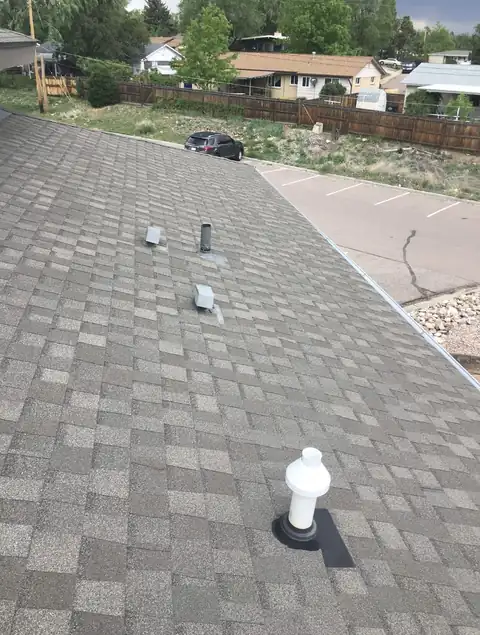
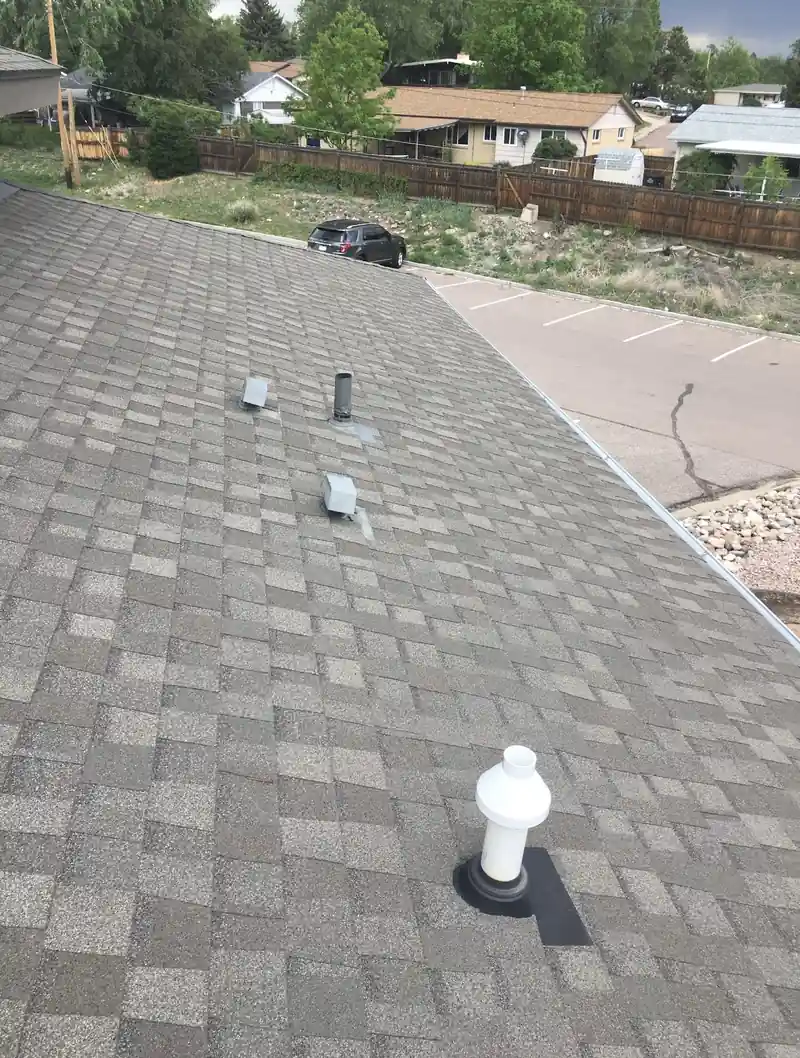
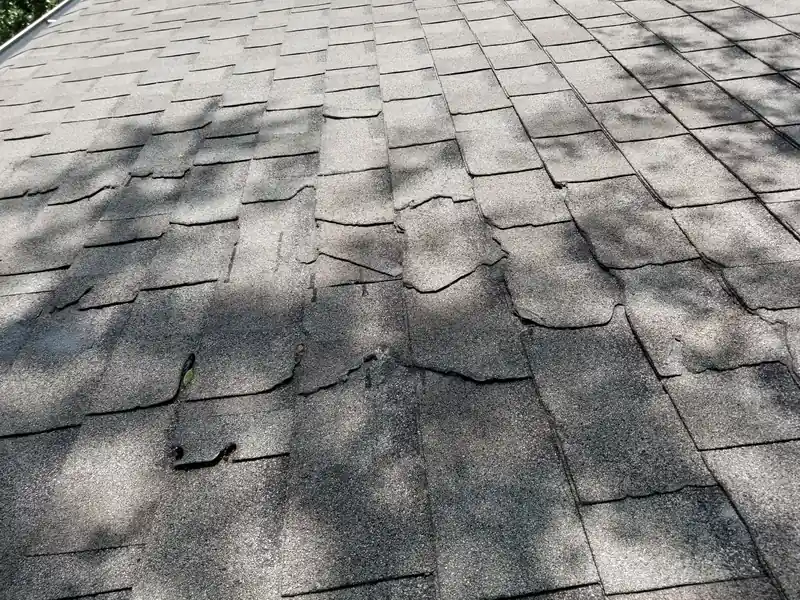
Flashing is the metal that turns the corner wherever the roof meets something else: chimneys, walls, skylights and the boots around plumbing vents. It goes on in layers with the shingles, tucked in course by course, which is why it belongs on this list.
Reusing old, bent flashing saves a roofer some time on the job. It can cost you a ceiling stain a year later. On a chimney, the flashing and the mortar joints around it fail together often enough that it's worth reading about chimney repair before a replacement.
Ventilation
The last layer isn't a material. It's air. A roof needs a way for outside air to come in low, usually through soffit vents under the eaves, and leave high, through a ridge vent or roof vents. That moving air carries heat and moisture out of the attic.
In summer, a poorly vented attic gets hot enough to bake the shingles from underneath. In winter, warm, damp air from the house can condense on the cold underside of the deck. What summer heat does to your roof and attic goes into how that plays out on an East Tennessee house.
The sealed roof deck
There's one more option you'll hear about if you ask for a storm-resistant roof. IBHS's FORTIFIED program uses a sealed roof deck, which IBHS describes as a way to keep water out even when the roof cover is damaged. Ask what it would take on your house and what it adds to the price, then decide whether it fits your budget.
What to look for on a written price
On two quotes, the shingle line is the easy part to compare. The layers underneath are where quotes differ without anyone saying so. A complete quote should name:
- What happens to rotted decking, and the price per sheet
- Felt or synthetic underlayment, and which product
- Where ice and water shield goes
- Whether drip edge is replaced or reused
- Starter strip along the eaves and the rakes
- Flashing replaced rather than reused
- How the attic is vented, and whether anything changes
If a line is missing, ask about it. Two quotes can look far apart until you line up what's underneath them. The roof replacement page covers how a full tear-off goes from start to cleanup.
Questions
Can a roofer lay new shingles over the old ones and skip all this?
Overlays happen, but you give up the chance to see the deck, replace the underlayment and redo the flashing. We'd tear off.
How can I tell what's under my shingles right now?
From the attic, look for stains or daylight on the underside of the deck. From a ladder, check the edges for drip edge. The rest only shows when the old roof comes off, or when a roofer lifts a shingle at a spot that worries them.