A roof is near the end when its problems stop living in one spot and start showing up all over it. One cracked pipe boot is a repair. Bald shingles on every slope, a leak that keeps coming back and a dip in the roofline add up to a roof that's done.
Here are the seven signs worth checking, roughly in the order you'd notice them, and then how to decide between fixing it and replacing it.
1. The roof is past its expected age
Start with the birthday. InterNACHI's life expectancy chart gives a 3-tab asphalt roof about 20 years and an architectural shingle roof about 30. The Metal Roofing Alliance's FAQ page puts the average asphalt roof lower, at 12 to 20 years. Neither number is a deadline. They tell you when to start looking harder.
If you don't know how old your roof is, a few places to look:
- Your closing papers and the home inspection report from when you bought the house.
- The sellers or their agent, if you can still reach them.
- Your city or county codes office, which may have the record if the last roof was permitted.
- A roofer, who can often place a roof's age range from the shingle style.
2. The shingles have bald spots
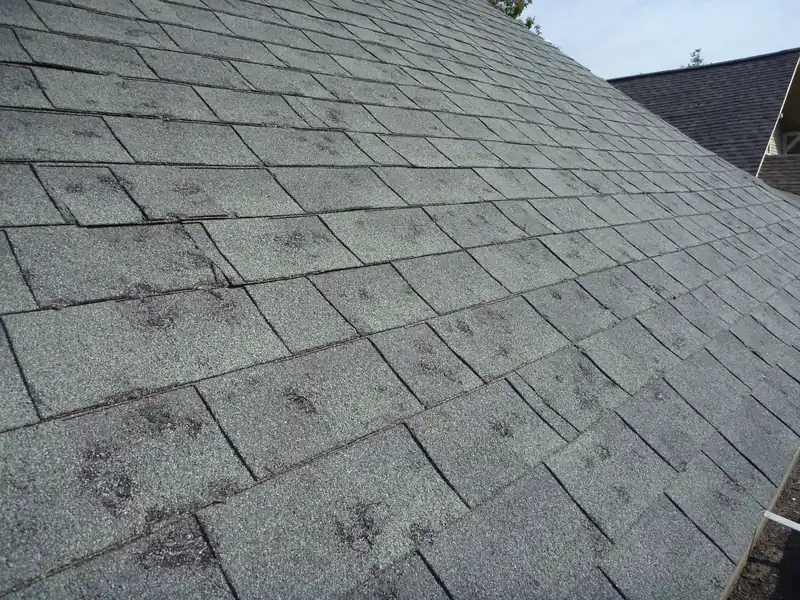
Shingles are coated in small mineral granules that protect the asphalt underneath from the sun. Losing a few is normal. CertainTeed's homeowner guide, The Life Cycle of Your Roof, files slight granule loss under normal aging and bald spots with the asphalt showing under beyond normal aging. The same guide notes that even a one-year-old roof can look different from one that was just installed, so don't panic over a little grit.
You'll usually notice it in two places: sandy piles at the bottom of the downspouts, and dark, smooth patches on the shingles when you look up with binoculars.
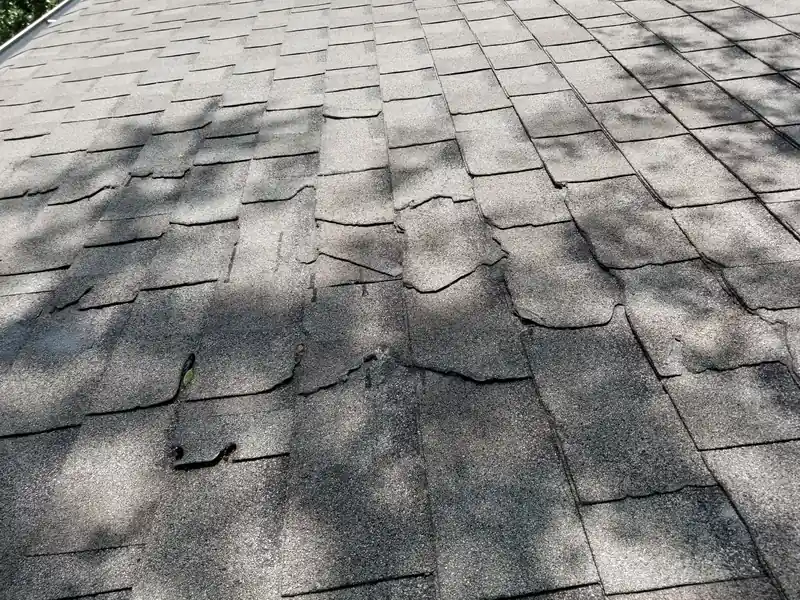
3. Shingles are curling, cupping or cracking
Shingles should lie flat. As they age and dry out, the edges can curl up, the middles can cup, and the tabs can crack straight across. A few on one slope is a repair job. When it runs across whole slopes, the shingles are worn out, and wind gets under a curled edge easily.
4. The same leak keeps coming back
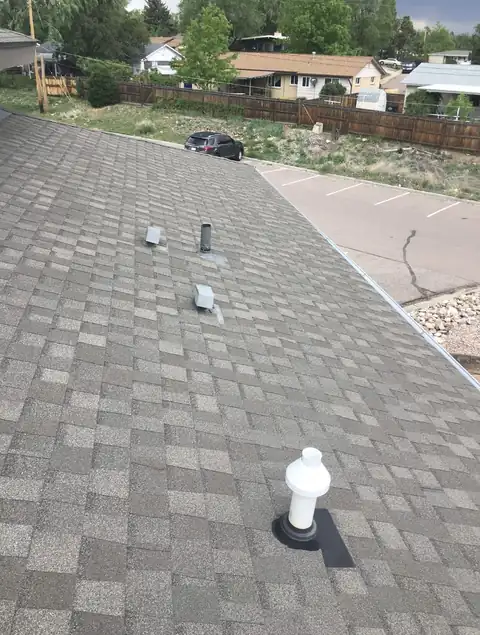
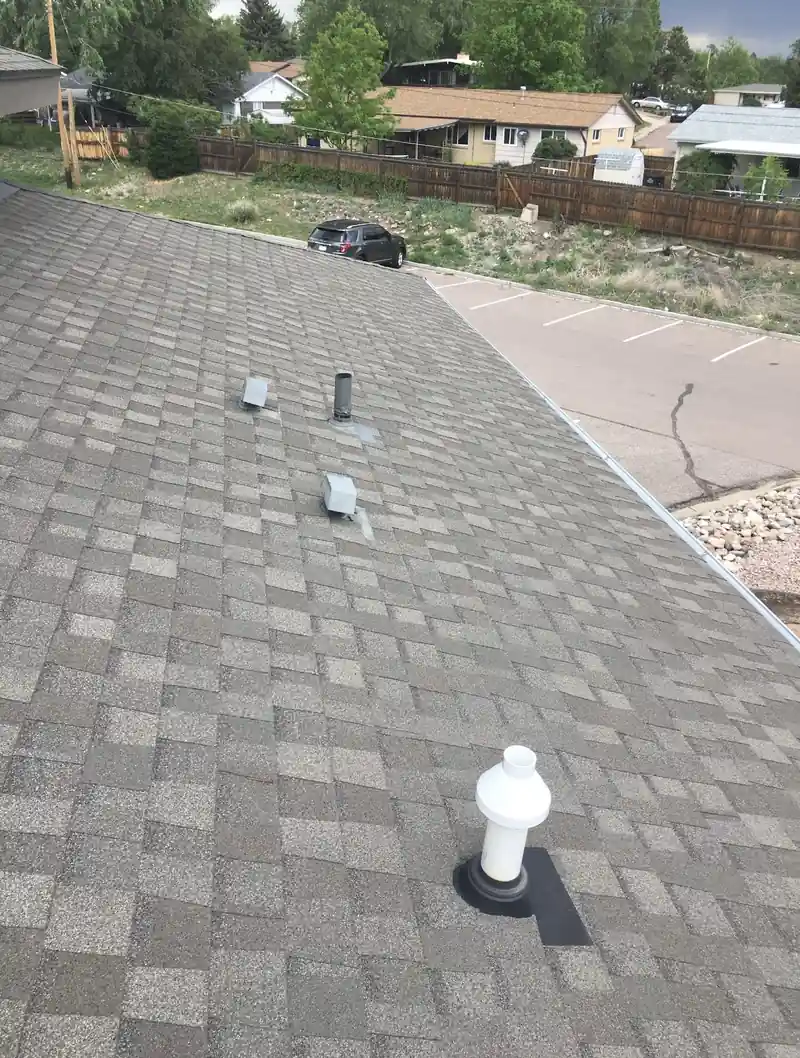
One leak in a known spot, around a chimney or a vent pipe, is usually a flashing or boot problem and a fair repair. Where roofs leak walks through the usual spots. The warning sign is a leak that returns after it's been fixed, or stains turning up in different rooms. That points to a roof failing in more than one place at once.
5. You can see daylight from the attic
Go up into the attic on a sunny afternoon, switch off the light and look up. Some light at a ridge vent can be normal, since the vent is there to let air out. Pinpoints of light around nails, between deck boards or beside the chimney are holes, and where light gets through, water follows. While you're up there, look for dark stains on the underside of the roof deck.
6. The roofline sags or the deck feels soft
Stand across the street and sight along the ridge and the edges of the roof. They should run straight. A dip in the middle of a slope, or a ridge that bows, can mean the plywood deck has soaked up water and gone soft, or that something in the framing has moved. This one doesn't wait for spring. Stay off a sagging roof, and have it looked at soon.
7. Storm damage on several slopes
A hailstorm or a hard wind can do years of wear in one afternoon. A handful of damaged shingles on one slope is a repair. Bruised or torn shingles across several slopes usually means a replacement, and if a covered storm caused it, your insurance may pay a share. Our storm damage page covers what to do first.
Repair or replace: how to decide
Most roofs don't show all seven signs at once. Use this table as a starting point.
| What the roof shows | Leans repair | Leans replace |
|---|---|---|
| Roof age | Well inside its expected life | At or past its expected life |
| Leaks | One, in a known spot | Several, or the same one coming back |
| Shingles | Sound across the roof | Curling, cracking or bald across whole slopes |
| Decking | Firm | Soft in more than a spot or two |
| Storm damage | One slope, a few shingles | Spread over several slopes |
| Your plans | Staying a few years | Selling soon, or staying for good |
The last row surprises people. If you're selling soon, a worn roof will likely come up in the buyer's inspection and turn into a negotiation. If you're staying for good, you're the one who lives with every patch.
When a repair is the right answer
A cracked pipe boot, some loose flashing or a few wind-lifted shingles on an otherwise healthy roof are repairs. A good repair on a sound roof should keep it going for years. If that's all your roof needs, that's what we'll tell you.
Our opinion: if two or more of these seven signs show up on a roof that's 20 years old or older, stop paying for patches and start pricing a replacement. A patch fixes one spot. It doesn't slow down the rest of the roof.
What each one costs
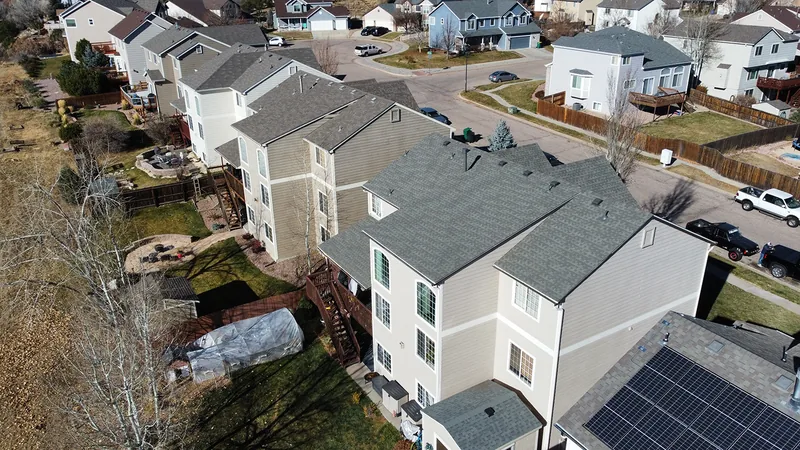
A repair usually costs a small fraction of a replacement. Most full replacements on Knoxville-area homes land between $15,000 and $30,000, depending on the size and pitch of the roof, how many layers come off and how much soft decking turns up. What a roof replacement costs around Knoxville goes through it line by line. When it's close, ask for both prices in writing so you can compare them side by side, and read our roof replacement page to see how a full replacement goes.
Questions
What should I have ready for a roof inspection?
How old the roof is and whether it's the first one on the house, where leaks have shown up inside, what's been repaired before and how long you plan to stay. Those answers settle most cases. A free roof inspection is a good way to get a second set of eyes on the rest.
Does homeowners insurance pay for a worn-out roof?
It depends on your policy and on what caused the damage. Call your agent and ask before work starts.
Can I wait one more winter?
If the deck is firm and there's no active leak, often yes. A sagging deck or a leak that's getting worse shouldn't wait.